
Golf has always been recognized as a sport that requires both physical skill and mental discipline. While players spend countless hours practicing their swings, improving their short game, and refining their course management strategies, many overlook one of the most important aspects of performance: mental strength. In 2026, sports psychology is becoming an increasingly valuable component of golf instruction, helping players improve confidence, focus, and consistency.
Unlike many sports that involve constant action, golf provides players with significant time between shots. This creates opportunities for doubt, anxiety, and negative thinking to influence performance. Even highly skilled golfers can struggle when confidence decreases or pressure increases. Sports psychology helps players develop strategies to manage these challenges effectively.
One of the key principles of sports psychology is the development of a consistent pre-shot routine. A reliable routine helps players focus on the task at hand rather than worrying about previous mistakes or future outcomes. By following the same mental and physical process before each shot, golfers can improve concentration and reduce performance anxiety.
Confidence is another critical factor in golf performance. Successful golfers understand how to trust their abilities even when facing difficult situations. Sports psychologists often work with players to develop positive self-talk techniques and visualization exercises that reinforce confidence and improve decision-making under pressure.
Goal setting also plays an important role in mental performance. Rather than focusing solely on outcomes such as winning tournaments or achieving lower scores, players are encouraged to set process-oriented goals. These goals focus on controllable actions such as maintaining focus, following routines, or making smart course management decisions.
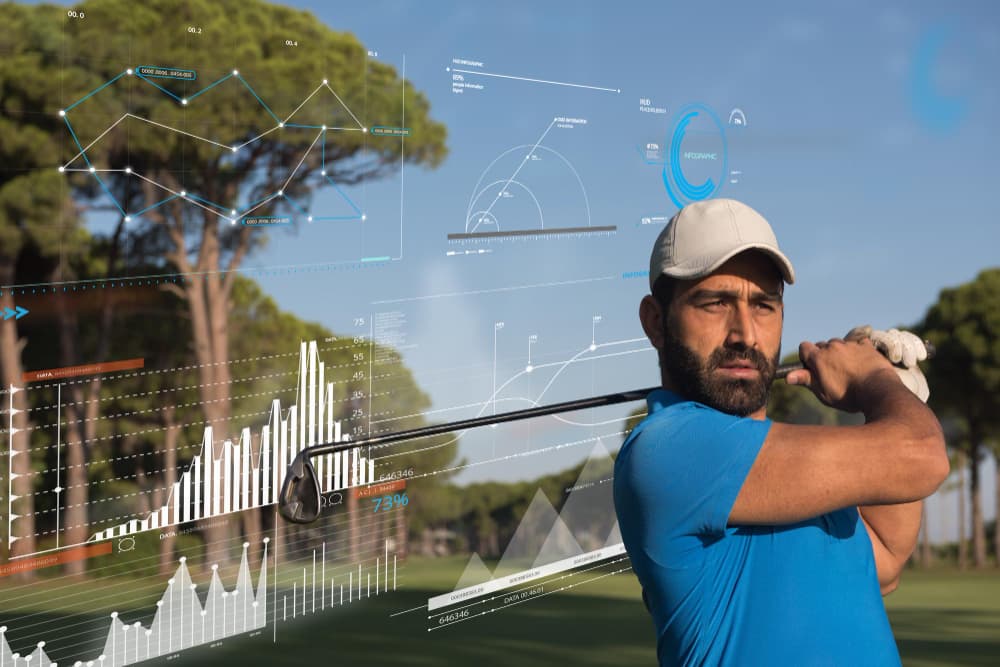
Technology is helping coaches incorporate sports psychology into their instruction. Performance tracking tools can identify patterns related to emotional responses, pressure situations, and consistency. This information enables coaches to create more personalized development plans for their students.
As competition continues to increase across all levels of golf, mental performance training is becoming a significant differentiator. Players who invest in developing their psychological skills often discover improvements that extend beyond the golf course, including increased confidence, discipline, and resilience in other areas of life.
The future of golf coaching will likely involve a more balanced approach that combines technical instruction, physical development, and mental training. Sports psychology is no longer viewed as an optional addition for elite players—it is becoming an essential component of player development for golfers of all abilities.