
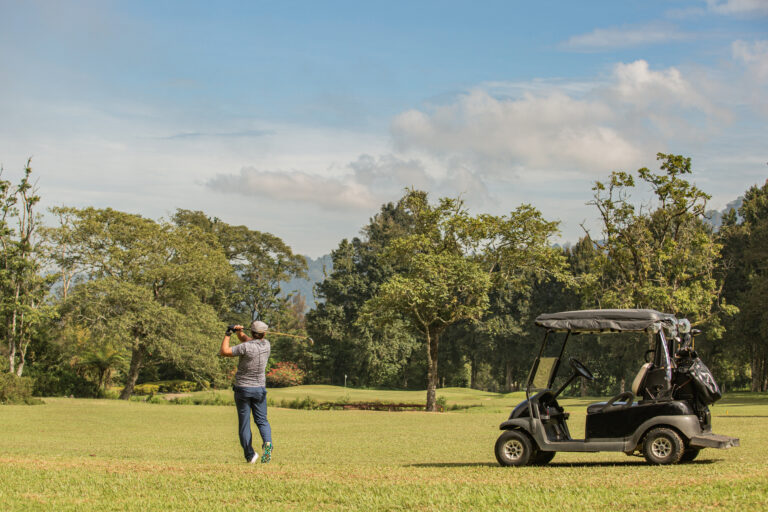
Modern golf courses are known for their beautiful green fairways, carefully maintained greens, and attractive landscapes. However, maintaining these spaces can require significant amounts of water, energy, fertilizers, and other resources. As environmental awareness grows, golf course managers are looking for smarter ways to maintain beautiful courses while reducing their environmental impact.
Sustainable landscaping offers a practical solution by combining thoughtful design, efficient resource management, and environmentally responsible maintenance. From choosing native plants to improving irrigation systems, golf courses can adopt several strategies to protect natural resources without compromising the playing experience.
In this article, we will explore sustainable landscaping ideas for modern golf courses and explain how these practices can support environmental responsibility, reduce maintenance demands, and create healthier outdoor spaces.
1. Choose Native and Drought-Tolerant Plants
One of the simplest ways to make a golf course more sustainable is to incorporate native and drought-tolerant plants into the landscape. Native plants are naturally adapted to the local climate and soil conditions, which often means they require less additional watering and maintenance once established.
Drought-tolerant grasses, shrubs, and flowering plants can also help golf courses manage dry periods more effectively. Selecting suitable species for the local environment reduces reliance on intensive irrigation and helps create a landscape that can withstand changing weather conditions.
These plants can be used around course boundaries, near pathways, beside water features, and in landscaped areas away from regular play. With careful planning, golf courses can maintain an attractive appearance while supporting local biodiversity.
2. Reduce Water Consumption with Smart Irrigation
Water management is a major consideration for golf course maintenance. Fairways, greens, and other landscaped areas may require regular irrigation, particularly in regions with limited rainfall or hot summers.
Smart irrigation systems can help reduce unnecessary water use by delivering the right amount of water to specific areas. Soil moisture sensors, weather-based controllers, and carefully positioned sprinklers allow maintenance teams to adjust watering according to actual conditions rather than following a fixed schedule.
Golf courses can also divide the property into irrigation zones based on grass type, sunlight exposure, soil conditions, and water requirements. This approach prevents overwatering and helps keep the landscape healthy.
Regularly inspecting irrigation equipment for leaks, blocked nozzles, and uneven coverage can further improve efficiency and reduce water waste.
3. Replace Unnecessary Turf with Natural Landscapes
Not every part of a golf course needs to feature closely maintained turfgrass. Large areas outside the main playing zones can sometimes be redesigned with native grasses, wildflowers, shrubs, or other suitable vegetation.
Reducing the amount of intensively maintained turf can lower mowing requirements, fuel consumption, irrigation demand, and fertilizer use. It may also create additional habitats for birds, pollinators, and beneficial insects.
Naturalized areas should be planned carefully so that they do not interfere with play, course visibility, drainage, or access for maintenance equipment. Clear boundaries and thoughtful placement can help preserve the course’s design while making better use of the surrounding land.
By balancing playable turf with natural vegetation, golf courses can create visually appealing landscapes that require fewer resources to maintain.
4. Use Organic and Environmentally Responsible Soil Management
Healthy soil is essential for strong turf, productive plant growth, and effective water management. Sustainable landscaping begins with understanding the condition of the soil and providing the nutrients that plants actually need.
Golf course managers can conduct regular soil tests to determine nutrient levels, soil pH, and other important characteristics. This information helps maintenance teams make informed decisions about fertilizers and soil amendments rather than applying products unnecessarily.
Compost and other suitable organic materials can improve soil structure and support beneficial soil organisms when used appropriately. Aeration can also help reduce soil compaction and improve the movement of air, water, and nutrients through the root zone.
A well-planned soil management program supports healthier vegetation and can reduce the need for repeated corrective treatments.
5. Incorporate Rainwater Harvesting Systems
Rainwater harvesting provides golf courses with another way to manage water resources. Instead of allowing all rainfall to run off the property, courses can collect and store suitable runoff for later use.
Rainwater may be captured from maintenance buildings, clubhouses, equipment sheds, and other suitable surfaces. Storage tanks, collection channels, and properly designed ponds can help retain water for irrigation or other approved uses.
Before implementing a harvesting system, golf course managers should evaluate rainfall patterns, storage capacity, water quality, and local regulations. Collected water may require treatment or monitoring before it can be used in irrigation systems.
When designed properly, rainwater harvesting can supplement other water sources and help golf courses prepare for periods of limited rainfall.
6. Create Wildlife-Friendly Habitats
Golf courses often contain more than fairways and greens. Their ponds, tree lines, rough areas, and landscaped boundaries can provide valuable opportunities to support local wildlife.
Managers can create wildlife-friendly spaces by planting native flowering species, preserving suitable trees, maintaining natural vegetation around water bodies, and providing connected habitat areas. These features can support pollinators, birds, and other local species.
Reducing unnecessary pesticide use and limiting disturbance in selected natural areas can also improve habitat quality. Where appropriate, designated buffer zones around ponds and streams can protect water quality and provide shelter for wildlife.
Wildlife-friendly landscaping should be adapted to the local ecosystem and course requirements. With careful management, a golf course can become an attractive recreational space while contributing to broader conservation efforts.
7. Improve Drainage with Sustainable Design
Effective drainage is essential for maintaining playable surfaces and protecting the surrounding environment. Poor drainage can cause waterlogging, turf damage, erosion, and interruptions to play.
Sustainable drainage solutions can help manage rainfall more naturally. Depending on the site’s conditions, golf courses may use vegetated swales, rain gardens, infiltration areas, and carefully designed retention ponds to slow and direct stormwater.
These features can reduce surface runoff and help capture sediment before it reaches nearby waterways. They may also provide additional landscape interest and habitat opportunities.
Drainage projects should account for soil type, slope, groundwater conditions, and local rainfall patterns. Professional assessment is especially important where changes could affect course playability or nearby properties.
8. Reduce Chemical Use Through Integrated Pest Management
Pests, weeds, and turf diseases can affect the appearance and performance of a golf course. However, relying too heavily on chemical treatments can increase costs and create risks for surrounding soil, water, and wildlife.
Integrated Pest Management, commonly known as IPM, offers a more balanced approach. It combines monitoring, prevention, cultural practices, and targeted treatments when necessary.
For example, maintenance teams can regularly inspect turf, identify the cause of a problem, improve mowing or irrigation practices, and select suitable grass varieties. Treatments can then be applied only when monitoring indicates that intervention is needed.
This approach helps reduce unnecessary pesticide use while maintaining healthy playing surfaces. Any products that are used should be selected and applied according to label directions, applicable regulations, and environmental protection requirements.
9. Use Energy-Efficient Landscaping Equipment
Landscaping sustainability also includes the equipment used to maintain the course. Traditional mowing machines, utility vehicles, and other powered tools may consume fuel and generate emissions during daily operations.
Where practical, golf courses can evaluate electric or other lower-emission equipment for suitable tasks. Electric handheld tools, utility vehicles, and selected mowing equipment may help reduce local exhaust emissions and noise.
Efficient maintenance scheduling can also reduce unnecessary equipment use. Grouping tasks by location, maintaining machinery properly, and choosing the right equipment for each job can improve productivity and reduce wasted fuel or energy.
Before investing in new machinery, managers should consider purchase costs, charging infrastructure, battery life, operating conditions, and long-term maintenance requirements. A gradual transition can make sustainable equipment choices more manageable.
10. Protect Waterways with Vegetated Buffer Zones
Ponds, streams, and drainage channels can be important features of a golf course. Protecting these areas helps preserve water quality and maintain a healthier landscape.
Vegetated buffer zones use grasses, shrubs, and other suitable plants along the edges of waterways. These areas can slow runoff, trap sediment, and help reduce the movement of certain nutrients toward the water.
Golf course managers should select vegetation that is appropriate for local conditions and maintain suitable distances between intensively managed turf and sensitive water bodies. Fertilizer and pesticide applications should be carefully controlled near these areas.
A well-designed buffer zone can also provide habitat for wildlife and create a natural transition between playing areas and the surrounding environment.
11. Adopt Sustainable Mowing Practices
Mowing is one of the most frequent maintenance activities on a golf course. Adjusting mowing practices can help reduce resource consumption while supporting healthier turf.
Different areas of a course have different playing requirements, so mowing heights and schedules should be selected according to the intended use of each area. Roughs and naturalized zones may not need the same level of maintenance as greens and fairways.
Where appropriate, returning finely cut grass clippings to the turf can help recycle nutrients. However, clippings should be managed carefully to avoid accumulation, surface problems, or interference with play.
Keeping mower blades sharp, maintaining equipment, and planning efficient mowing routes can further improve performance. These small operational changes can contribute to a more sustainable maintenance program over time.
12. Use Sustainable Materials in Landscape Design
The materials used in pathways, seating areas, signage, and other outdoor features can also influence a golf course’s environmental footprint.
Where suitable, managers can consider recycled-content materials, responsibly sourced timber, durable paving, and locally available products. Long-lasting materials may reduce the need for frequent replacement and help limit waste.
Permeable paving may be appropriate for selected walkways or parking areas where site conditions allow water to infiltrate safely. Recycled materials can also be used in certain landscaping applications when they meet relevant safety and performance standards.
Material choices should balance environmental benefits with durability, maintenance requirements, accessibility, appearance, and total life-cycle cost.
13. Monitor Environmental Performance
Sustainable landscaping becomes more effective when golf courses measure their progress. Without reliable information, it can be difficult to identify which practices are working and where further improvements are needed.
Course managers can track indicators such as irrigation water use, energy consumption, fertilizer applications, pesticide use, waste generation, and the area of naturalized habitat.
Comparing these figures over time can reveal opportunities to reduce resource consumption and improve maintenance practices. Staff observations and feedback can also help identify practical challenges that may not appear in the data.
Setting realistic goals and reviewing progress regularly allows golf courses to improve their sustainability plans gradually. Clear records can also help communicate environmental initiatives to members, visitors, employees, and the wider community.
Conclusion: Building Greener Golf Courses for the Future
Sustainable landscaping is becoming an important part of modern golf course management. By using native plants, improving irrigation efficiency, protecting waterways, supporting wildlife, and reducing unnecessary chemical and energy use, golf courses can create attractive outdoor spaces while managing environmental impacts more responsibly.
The most effective approach is to select strategies that suit the local climate, soil conditions, available resources, and playing requirements. Some improvements, such as repairing irrigation leaks or adjusting mowing schedules, may be relatively simple to introduce. Others, including drainage redesign and rainwater harvesting, may require more detailed planning and investment.
With consistent monitoring and a long-term commitment, sustainable landscaping can support healthier course conditions, more efficient maintenance, and better environmental stewardship. These efforts help modern golf courses remain enjoyable places to play while protecting the natural resources on which they depend.