
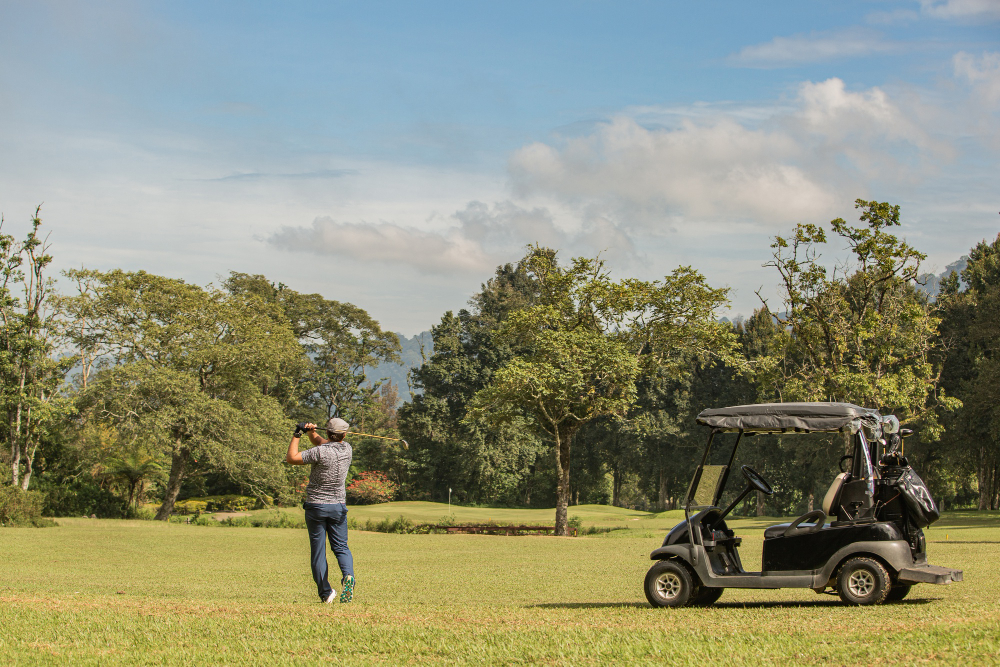
Technology is rapidly transforming the golf industry, and one of the most exciting developments is the rise of autonomous golf course maintenance equipment. Golf clubs are increasingly investing in robotic mowers, GPS-guided utility vehicles, autonomous bunker rakes, and smart maintenance systems to improve efficiency, reduce operational costs, and maintain consistently high course conditions.
As labor shortages continue to challenge golf course operations and environmental sustainability becomes a greater priority, autonomous maintenance technology is providing clubs with innovative solutions that improve productivity while allowing maintenance teams to focus on higher-value tasks.
What Is Autonomous Golf Course Maintenance Equipment?
Autonomous maintenance equipment refers to machines that operate with little or no human intervention. Using technologies such as GPS navigation, artificial intelligence (AI), sensors, cameras, and real-time mapping, these machines perform routine maintenance tasks with precision and consistency.
Common examples include:
- Robotic fairway and rough mowers
- GPS-guided utility vehicles
- Autonomous bunker rakes
- Smart irrigation systems
- Automated fertilizer sprayers
- Drone-based turf monitoring
- AI-powered maintenance management software
These technologies help golf course managers improve operational efficiency while maintaining exceptional playing conditions throughout the year.
Robotic Mowers Are Leading the Way
Among all autonomous equipment, robotic mowers have gained the most popularity. These machines operate continuously according to programmed schedules and maintain consistent grass height across fairways, roughs, and practice areas.
Unlike traditional mowing equipment that requires an operator, robotic mowers navigate independently using GPS technology and onboard sensors. They automatically avoid obstacles, return to charging stations when needed, and resume work without manual intervention.
The benefits include:
- Consistent turf quality
- Reduced fuel consumption
- Lower labor costs
- Quieter operation
- Reduced carbon emissions
- Improved mowing accuracy
Many golf clubs are finding that robotic mowing improves both efficiency and overall course presentation.
Smarter Irrigation Systems
Water conservation has become a major concern for golf facilities worldwide. Autonomous irrigation systems use weather forecasts, soil moisture sensors, and real-time environmental data to determine exactly when and where irrigation is needed.
Instead of following fixed watering schedules, smart systems automatically adjust irrigation based on current conditions. This helps reduce water waste while keeping greens and fairways healthy.
Benefits include:
- Lower water usage
- Reduced utility costs
- Healthier turf conditions
- Improved drought management
- Better environmental sustainability
These intelligent systems are becoming an essential part of modern golf course management.
AI-Powered Turf Monitoring
Artificial intelligence is helping maintenance teams detect turf issues before they become serious problems. Drones equipped with high-resolution cameras and AI software can monitor large sections of a golf course in a short amount of time.
These systems identify:
- Dry spots
- Turf diseases
- Nutrient deficiencies
- Pest infestations
- Drainage problems
- Areas experiencing excessive wear
By identifying issues early, maintenance teams can respond quickly, reducing repair costs and maintaining better playing conditions.
Reducing Labor Challenges
Many golf clubs continue to face staffing shortages, particularly in course maintenance departments. Recruiting and retaining experienced groundskeepers has become increasingly difficult.
Autonomous equipment helps address this challenge by automating repetitive tasks such as mowing, bunker maintenance, and routine inspections. Instead of replacing employees, these technologies allow maintenance staff to focus on specialized work including landscaping, course improvements, irrigation repairs, and tree management.
This improves workforce productivity while reducing pressure on maintenance teams.
Improving Course Consistency
One of the greatest advantages of autonomous equipment is consistency. Human-operated machinery can produce variations in mowing patterns, irrigation timing, and maintenance quality depending on operator experience.
Autonomous machines perform tasks according to precise programming, delivering the same high-quality results every time. This consistency improves turf health and enhances the playing experience for golfers.
Maintaining uniform course conditions also contributes to better tournament preparation and higher member satisfaction.
Environmental Benefits
Sustainability has become an important focus for golf clubs worldwide. Many autonomous maintenance machines are powered by electricity instead of diesel or gasoline, helping reduce greenhouse gas emissions and noise pollution.
Smart maintenance systems also minimize unnecessary water usage, fertilizer application, and chemical treatments by using data-driven decision making.
Environmental benefits include:
- Lower carbon footprint
- Reduced fuel consumption
- Improved water conservation
- Less chemical waste
- Lower equipment emissions
- More sustainable course management
These improvements support clubs pursuing environmental certifications and sustainability initiatives.
Cost Savings Over Time
Although autonomous equipment often requires a larger upfront investment, many golf clubs experience significant long-term savings.
Reduced labor expenses, lower fuel consumption, decreased maintenance costs, and improved operational efficiency all contribute to a strong return on investment. Equipment also operates according to optimized schedules, reducing unnecessary wear and extending machine lifespan.
As autonomous technology becomes more widely adopted, purchase costs are expected to become increasingly affordable for clubs of all sizes.
The Future of Golf Course Maintenance
Innovation in autonomous technology continues to accelerate. Future maintenance equipment is expected to feature even more advanced artificial intelligence, real-time data analysis, remote monitoring, and predictive maintenance capabilities.
Golf course managers may soon oversee multiple autonomous machines through a single digital dashboard, allowing them to monitor performance, receive maintenance alerts, and optimize operations from virtually anywhere.
As technology evolves, autonomous equipment will become an integral part of efficient and sustainable golf course management.
Conclusion
The rise of autonomous golf course maintenance equipment marks a significant step forward for the golf industry. Robotic mowers, AI-powered monitoring systems, smart irrigation, and automated maintenance technologies are helping golf clubs improve efficiency, reduce operating costs, and maintain exceptional playing conditions.
While human expertise remains essential for strategic course management and specialized maintenance tasks, autonomous technology is becoming a valuable partner in daily operations. Golf clubs that embrace these innovations today will be better positioned to deliver superior course quality, achieve sustainability goals, and remain competitive in the years ahead.


