
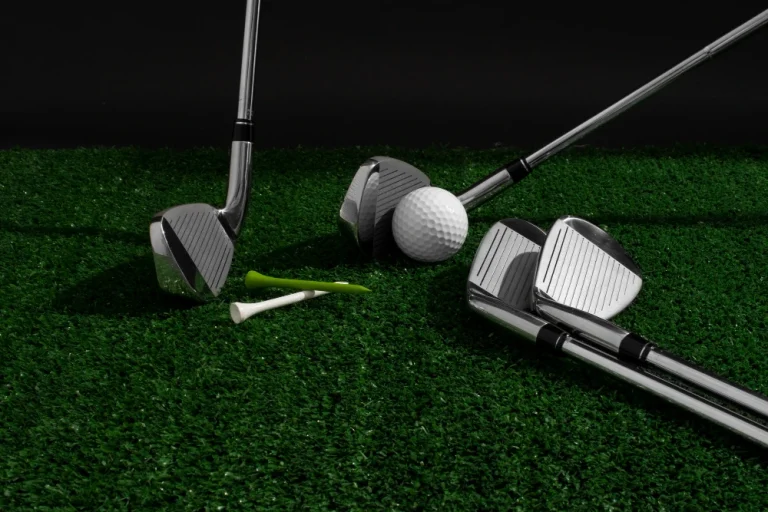
The golf industry is becoming increasingly connected, with technology playing a larger role in how golfers practice, play, and improve. From smart clubs and sensors to connected golf carts and digital course management systems, new technology is helping golfers and golf clubs make better use of data.
As connected technology continues to develop, smart golf clubs could become an important part of the modern golfing experience, offering players more detailed information about their performance while giving golf clubs new opportunities to improve services and engagement.
Smart Clubs Are Turning Every Swing Into Data
Traditional golf clubs are designed primarily around performance, feel, and consistency. Smart golf clubs take this further by incorporating sensors and connected technology that can capture information about how a golfer uses the club.
Depending on the technology, data can include swing speed, club path, impact information, distance, and other performance measurements. This information can help golfers understand their swing more clearly and identify areas where they can improve.
Connected Technology Is Changing Golf Practice
Practice sessions are becoming more data-driven. Instead of relying entirely on observation and feel, golfers can use connected devices to receive immediate feedback after a shot.
Smart clubs can work alongside launch monitors, mobile apps, and other training technologies to create a more complete picture of a golfer’s performance. This can make practice more focused by helping players identify specific weaknesses rather than simply hitting more balls.
Golf Clubs Can Benefit From Connected Equipment
Connected technology is not only valuable for individual golfers. Golf clubs can also use smart technology to improve operations and create better experiences for members and visitors.
Connected golf carts, digital booking systems, course monitoring technology, and smart equipment can provide useful operational data. Clubs can use this information to understand how facilities are being used, improve maintenance planning, and identify opportunities to make the golfing experience more efficient.
Personalised Golf Experiences Are Becoming Possible
One of the biggest opportunities created by connected technology is personalisation. As more data is collected, golfers can potentially receive recommendations based on their playing habits, performance, and preferences.
For example, technology could help suggest practice routines, identify frequently missed shots, recommend suitable clubs, or provide insights into performance over multiple rounds. This could make technology a more valuable part of a golfer’s long-term development.
Smart Technology Could Improve Equipment Management
Connected clubs and equipment may also make it easier for golfers and golf clubs to manage their equipment. Digital systems could track equipment usage, monitor performance trends, and help identify when equipment may need inspection or replacement.
For golf clubs managing large amounts of equipment, connected technology could provide better visibility and reduce the amount of manual tracking required.
Data Privacy Will Become Increasingly Important
As golf becomes more connected, data privacy and security will become important considerations. Smart clubs and connected devices can collect detailed information about players, meaning manufacturers and golf clubs need to ensure that data is handled responsibly.
Clear privacy policies, secure platforms, and transparency about how information is collected and used will be essential as connected golf technology becomes more widespread.
The Future Will Be More Connected
The future of golf technology is likely to involve greater integration between clubs, mobile applications, training systems, golf carts, course-management platforms, and other digital tools.
For golfers, this could mean more personalised feedback and better opportunities to improve. For golf clubs, connected technology could provide valuable operational insights while helping create a more modern and engaging experience for members.
Smart golf clubs are still developing, but the direction is clear: golf equipment is becoming more connected, and data is becoming an increasingly important part of the game.