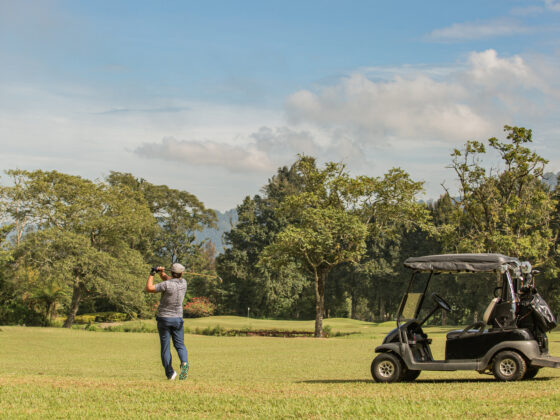

Golf course technology is advancing rapidly as courses look for better ways to improve playing conditions, reduce operating costs, conserve resources, and deliver better experiences for golfers. Technologies that were once considered experimental are becoming practical tools for everyday course management. From smart irrigation and autonomous equipment to GPS systems, artificial intelligence, and real-time course monitoring, technology is changing nearly every part of golf course operations.
In 2027, golf course managers have access to more connected systems than ever before. These technologies can collect information from the course, analyze operating conditions, automate repetitive tasks, and provide managers with actionable insights. For golf facilities facing rising labor costs, environmental concerns, and increasing expectations from players, investing in the right technology can provide significant long-term benefits.
Smart Irrigation and Water Management
Water management remains one of the most important challenges facing golf courses. Maintaining healthy turf requires precise irrigation, but excessive watering can increase costs and negatively affect the environment.
Smart irrigation systems use weather forecasts, soil moisture sensors, temperature data, rainfall measurements, and turf conditions to determine how much water different areas of a course actually need. Instead of relying on fixed irrigation schedules, these systems can automatically adjust watering based on real-time conditions.
Golf courses can also divide their irrigation systems into smaller zones, allowing managers to apply water precisely where it is needed. This approach can reduce water waste, improve turf health, and lower irrigation expenses while maintaining consistent playing conditions.
Artificial Intelligence for Course Management
Artificial intelligence is becoming an increasingly valuable tool for golf course managers. AI systems can analyze large amounts of operational data and identify patterns that may be difficult to detect manually.
Course managers can use AI to monitor turf conditions, predict maintenance requirements, analyze weather patterns, optimize irrigation schedules, and prioritize daily maintenance tasks. The technology can also help identify areas that may require attention before a visible problem develops.
By combining AI with sensors, GPS equipment, weather stations, and course management platforms, golf facilities can make faster and more informed operational decisions.
Autonomous Mowing and Maintenance Equipment
Labor availability continues to be a major concern for golf courses. Autonomous equipment is helping address this challenge by automating repetitive maintenance tasks.
Robotic mowers can operate according to predefined routes and schedules while maintaining consistent cutting patterns. Some systems can work during periods when fewer employees are available, allowing maintenance teams to focus on specialized tasks that require human expertise.
Autonomous technology can also reduce fuel consumption and improve operational consistency. As the technology continues to develop, more golf courses are expected to integrate autonomous equipment into routine maintenance operations.
GPS and Precision Course Mapping
Accurate course mapping provides valuable information for both maintenance teams and golfers. GPS technology allows golf courses to create detailed digital maps showing fairways, greens, bunkers, hazards, irrigation systems, drainage areas, and maintenance zones.
Maintenance teams can use these maps to plan equipment routes, record problem areas, and track work completed across the property. GPS data can also help managers understand the location and condition of important course infrastructure.
For golfers, GPS technology can provide accurate distances, hole information, and course navigation through mobile applications, carts, and dedicated devices. This creates a more convenient and informed playing experience.
Drone Technology for Course Monitoring
Drones are becoming useful tools for inspecting large golf properties. A single drone flight can capture aerial images of areas that would otherwise require significant time and effort to inspect manually.
Course managers can use drone imagery to monitor turf conditions, identify drainage problems, inspect irrigation areas, evaluate landscaping, and document changes over time. High-resolution imagery can make it easier to compare different areas of the property and identify potential problems.
Drones can also support course development and renovation projects by providing detailed aerial information for planning and documentation.
Soil and Turf Monitoring Sensors
Healthy turf is essential for maintaining a high-quality golf course. Traditional turf management often depends heavily on visual inspections and staff experience, but sensor technology provides managers with additional information.
Soil sensors can measure moisture, temperature, salinity, and other environmental conditions. This data helps maintenance teams understand what is happening below the surface and make more precise decisions about irrigation, fertilization, and turf care.
Real-time monitoring can also help identify areas experiencing stress before the problem becomes visible. Early intervention can prevent larger turf issues and reduce the cost of corrective maintenance.
Connected Golf Course Management Systems
Modern golf courses are increasingly connecting different technologies through centralized management platforms. Instead of managing irrigation, maintenance schedules, equipment, weather information, and operational data separately, connected systems can bring these functions together.
A centralized platform allows managers to access important information from a single location. Data from sensors, GPS devices, maintenance equipment, and other systems can be analyzed together to provide a clearer picture of overall course conditions.
This connectivity can improve communication between departments, reduce duplicated work, and help managers make better decisions based on real-time information.
Electric Golf Course Equipment
Environmental sustainability is becoming increasingly important for golf facilities. Electric maintenance equipment provides an alternative to traditional gasoline-powered machinery for certain course operations.
Electric mowers, utility vehicles, blowers, and other equipment can reduce fuel consumption and potentially lower maintenance and operating costs. Battery-powered equipment can also reduce noise, creating a quieter environment for golfers and nearby communities.
As battery technology improves, electric equipment is expected to become increasingly practical for a wider range of golf course maintenance applications.
Predictive Maintenance for Equipment
Unexpected equipment failures can disrupt maintenance schedules and create significant repair expenses. Predictive maintenance technology helps golf courses address these problems before major failures occur.
Sensors installed on equipment can monitor usage, operating conditions, temperature, vibration, and other indicators. Software can analyze this information and identify signs that a machine may require maintenance.
Instead of waiting for equipment to fail, maintenance teams can schedule repairs or servicing at appropriate times. This reduces unexpected downtime and helps extend the useful life of expensive equipment.
Digital Tee Sheet and Course Optimization
Technology is also improving how golf courses manage tee times and player flow. Digital tee sheet systems provide real-time information about bookings, cancellations, available slots, and course demand.
Advanced systems can analyze historical booking patterns, weather conditions, seasonal trends, and player behavior to help managers optimize tee time availability. This can reduce unused capacity while preventing excessive congestion during busy periods.
Some systems can also support dynamic pricing and automated communication, giving golfers more convenient booking options while helping courses improve revenue.
Mobile Apps and Digital Golfer Experiences
Golfers increasingly expect convenient digital services before, during, and after their rounds. Mobile applications allow courses to provide information and services directly through a player’s smartphone.
A golf course app can include tee time booking, GPS distances, scorekeeping, course information, food and beverage ordering, tournament details, and membership communication. These features reduce friction and make it easier for golfers to interact with the facility.
Mobile technology also creates opportunities for personalized communication. Clubs can send relevant notifications about events, promotions, course updates, and other information based on a golfer’s preferences.
Advanced Player Analytics
Technology is helping golfers understand their performance in greater detail. Launch monitors, GPS devices, smart sensors, and connected golf equipment can collect information about shots, distances, accuracy, and playing patterns.
Golf courses and training facilities can use this data to provide more personalized coaching and practice experiences. Players can identify weaknesses, track improvements, and make more informed decisions about their game.
For golf clubs, player analytics can also create additional opportunities for lessons, training programs, practice memberships, and other services.
Sustainable Course Management Technology
Environmental sustainability is becoming an increasingly important part of golf course management. Technology can help courses reduce water consumption, energy usage, chemical applications, and unnecessary equipment operation.
Smart irrigation, soil monitoring, electric equipment, weather-based applications, and precision turf management all contribute to more efficient resource use. Technology allows managers to apply resources according to actual course conditions rather than using fixed schedules.
These improvements can reduce operating expenses while helping golf courses demonstrate their commitment to responsible environmental management.
Cybersecurity and Data Protection
As golf courses adopt more connected systems, protecting digital information becomes increasingly important. Membership databases, payment information, customer profiles, booking systems, and operational data all require appropriate security measures.
Golf facilities should use strong passwords, access controls, software updates, secure payment systems, and regular backups to protect their technology infrastructure. Staff should also receive basic cybersecurity training to reduce the risk of phishing and other common threats.
A connected golf course can provide significant operational benefits, but those benefits depend on maintaining secure and reliable systems.
Training Staff for a Technology-Driven Course
Technology can only deliver its full value when employees know how to use it effectively. Golf course managers should provide appropriate training whenever new systems or equipment are introduced.
Staff need to understand not only how technology works but also how it fits into existing workflows. Employees who understand the purpose behind new tools are more likely to use them consistently and identify opportunities for improvement.
Successful technology adoption should therefore involve both equipment and people. The best systems are those that make employees more productive rather than simply adding complexity to daily operations.
Choosing the Right Technology Investment
Golf courses do not need to adopt every new technology available. The most effective approach is to identify the facility’s biggest operational challenges and choose technology that directly addresses those problems.
Managers should consider factors such as upfront costs, ongoing maintenance, employee training, compatibility with existing systems, expected savings, and long-term scalability. A smaller investment that solves a major operational problem can often provide more value than an expensive system with limited practical benefits.
Technology should support the course’s overall business and maintenance strategy rather than becoming an objective by itself.
Preparing for the Future of Golf Course Technology
The technology available to golf courses will continue to evolve throughout the coming years. Artificial intelligence, autonomous equipment, connected sensors, advanced analytics, robotics, and sustainable technologies are likely to become increasingly integrated into everyday operations.
Future golf courses may rely on interconnected systems that continuously monitor course conditions, predict maintenance requirements, manage resources, and automate routine tasks with minimal manual intervention.
Courses that begin building a strong technology foundation today will be better positioned to take advantage of these future developments. The goal is not simply to become more technologically advanced, but to create a more efficient, sustainable, and enjoyable golf environment.
Building a Smarter Golf Course
Golf course technology is transforming how facilities maintain their properties, manage resources, serve golfers, and make business decisions. Smart irrigation can reduce water consumption, autonomous equipment can address labor challenges, AI can improve decision-making, and connected systems can provide managers with better visibility into daily operations.
The most successful golf courses will focus on technology that delivers measurable improvements while maintaining the human element that makes golf special. By combining experienced staff with intelligent tools, courses can improve playing conditions, control operating costs, increase efficiency, and provide better experiences for golfers.
As technology continues to advance in 2027 and beyond, golf facilities that invest strategically and adapt to changing opportunities will be better prepared to compete, operate sustainably, and deliver the high-quality experiences that modern golfers expect.