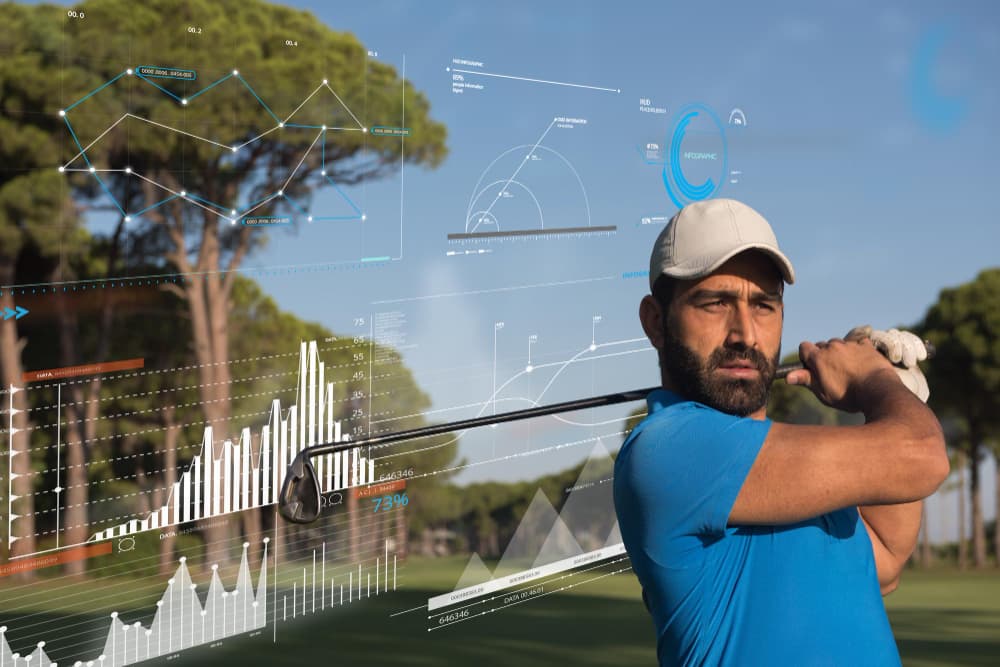
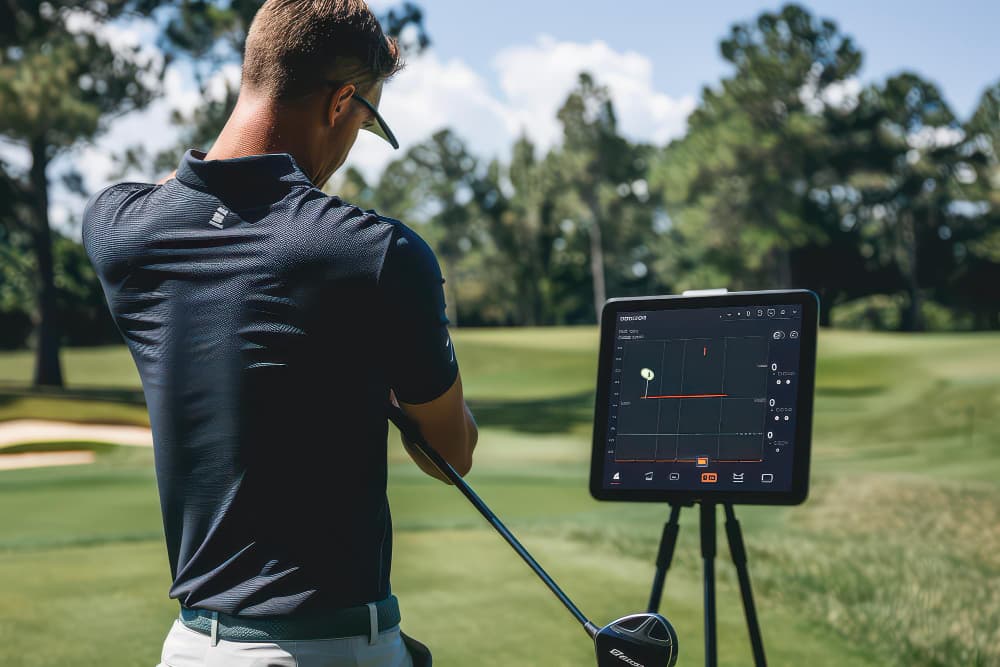
The golf industry is experiencing a technological revolution, and data analytics is at the center of this transformation. In 2026, coaches are increasingly using data-driven insights to improve player performance, personalize instruction, and achieve measurable results.
Modern launch monitors and swing analysis systems provide detailed information about ball speed, club path, launch angle, spin rates, and impact conditions. These metrics allow coaches to identify performance issues with a level of accuracy that was previously impossible.
Rather than relying solely on observation, instructors can now use objective data to support their coaching decisions. For example, a player struggling with distance may discover that inefficient launch conditions are limiting performance. Once identified, coaches can develop targeted drills and adjustments to address the specific issue.
Data analytics also helps track progress over time. Students can see measurable improvements in key performance indicators, creating motivation and confidence throughout the learning process. This evidence-based approach strengthens trust between coaches and players.
Beyond technical instruction, analytics can improve course management strategies. By analyzing shot dispersion patterns and scoring statistics, coaches can help players make smarter decisions on the course. Understanding tendencies and weaknesses often leads to lower scores even before major swing changes occur.
The integration of artificial intelligence is further enhancing the value of golf analytics. Advanced software platforms can identify patterns, generate recommendations, and provide visual reports that simplify complex data for both coaches and students.
However, successful instruction still requires human expertise. Data should support coaching decisions rather than replace them. Experienced professionals understand how to interpret information within the context of individual player needs and goals.
As technology becomes more accessible and affordable, data analytics will continue to play an increasingly important role in golf instruction. Coaches who embrace these tools can deliver more personalized, effective, and measurable coaching experiences for golfers of all skill levels.