
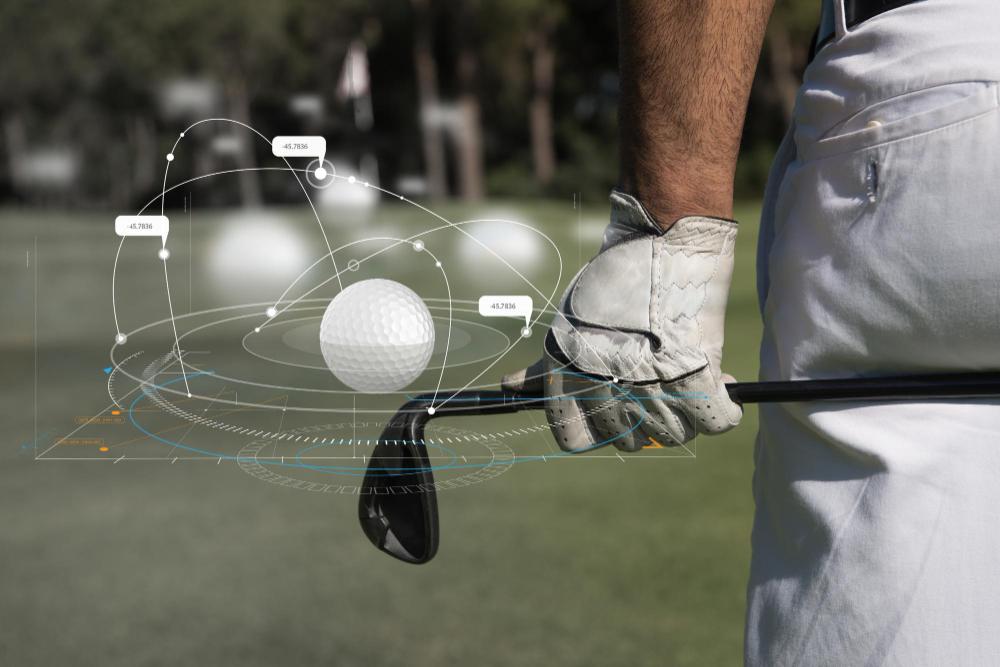
Artificial intelligence is rapidly transforming industries across the globe, and the golf sector is no exception. As technology continues to evolve, AI golf coaching is becoming an increasingly important part of modern player development, offering coaches and athletes powerful tools to analyze performance, improve technique, and accelerate learning. From advanced swing analysis software to personalized training recommendations, artificial intelligence is reshaping how golf instruction is delivered at every level of the game. While many professionals see these innovations as an opportunity to enhance coaching effectiveness, others question whether technology could eventually diminish the personal connection that has always been at the heart of successful coaching. The reality is that AI presents both exciting opportunities and important challenges for the future of golf instruction.
One of the most significant ways AI is changing golf instruction is through data-driven performance analysis. Modern golf coaching software can now capture and evaluate swing mechanics with remarkable precision, identifying details that may be difficult for the human eye to detect consistently. By using high-speed cameras, motion sensors, and machine learning algorithms, these systems can provide instant feedback on club path, face angle, swing tempo, body positioning, and other critical performance metrics. This allows coaches to make more informed decisions and develop targeted improvement plans based on objective data rather than observation alone.
The benefits of swing analysis software extend beyond professional players. Amateur golfers can now access sophisticated coaching tools that were once reserved for elite athletes and tour professionals. AI-powered applications can track progress over time, compare swings against established benchmarks, and provide personalized recommendations based on a player’s unique characteristics and goals. This accessibility is helping golfers improve more efficiently while giving coaches additional resources to support their students both on and off the practice range.
However, despite these technological advancements, many experts believe that the human element of coaching remains irreplaceable. Golf is not solely a mechanical sport; it is also deeply influenced by confidence, emotions, decision-making, and communication. A coach’s ability to understand a player’s personality, motivations, and mental challenges cannot be replicated by software alone. Successful instruction often involves building trust, providing encouragement during difficult periods, and adapting teaching methods to suit individual learning styles. While AI can deliver valuable insights, it cannot fully replace the experience, empathy, and intuition that skilled coaches bring to the coaching relationship.
The most effective approach may be finding the right balance between technology and personal coaching. Rather than viewing AI as a replacement for coaches, many PGA professionals are embracing it as a tool that enhances their expertise. By leveraging advanced analytics while maintaining strong personal connections with players, coaches can offer a more comprehensive learning experience. Technology can identify patterns and provide detailed measurements, while coaches can interpret that information within the broader context of a player’s development journey.
Looking ahead, golf technology trends suggest that AI will continue to play an increasingly important role in the sport. Future innovations may include real-time coaching assistance during practice sessions, predictive performance analysis, virtual coaching environments, and even more personalized training programs powered by machine learning. PGA professionals who understand how to integrate these technologies into their coaching strategies will likely gain a competitive advantage in an evolving marketplace.
Ultimately, the rise of AI golf coaching should be viewed as an opportunity rather than a threat. While challenges exist, particularly in maintaining the human aspects of instruction, the technology offers tremendous potential to improve player development and coaching effectiveness. The future of golf instruction will likely be defined not by artificial intelligence replacing coaches, but by coaches who successfully combine technological innovation with the timeless principles of teaching, mentorship, and personal connection. As the game continues to evolve, those who embrace both technology and human expertise will be best positioned to help golfers reach their full potential.