Technology continues to transform nearly every aspect of sports, and golf is no exception. Among the most influential innovations in recent years is wearable technology. Once primarily associated with fitness tracking, wearable devices have evolved into powerful performance-enhancement tools that help golfers better understand their game and identify opportunities for improvement.
From smartwatches and GPS devices to motion sensors and swing analyzers, wearable technology is providing golfers with valuable data that was previously available only through professional coaching or expensive equipment. In 2026, players of all skill levels are using wearable devices to monitor performance, improve consistency, reduce injury risks, and make more informed decisions on the course.
As technology becomes increasingly sophisticated and accessible, wearable devices are playing a crucial role in helping golfers unlock their full potential.
The Growing Popularity of Wearable Technology in Golf
The adoption of wearable technology in golf has grown significantly over the past decade. Modern golfers are becoming more data-driven, seeking objective insights rather than relying solely on feel or observation.
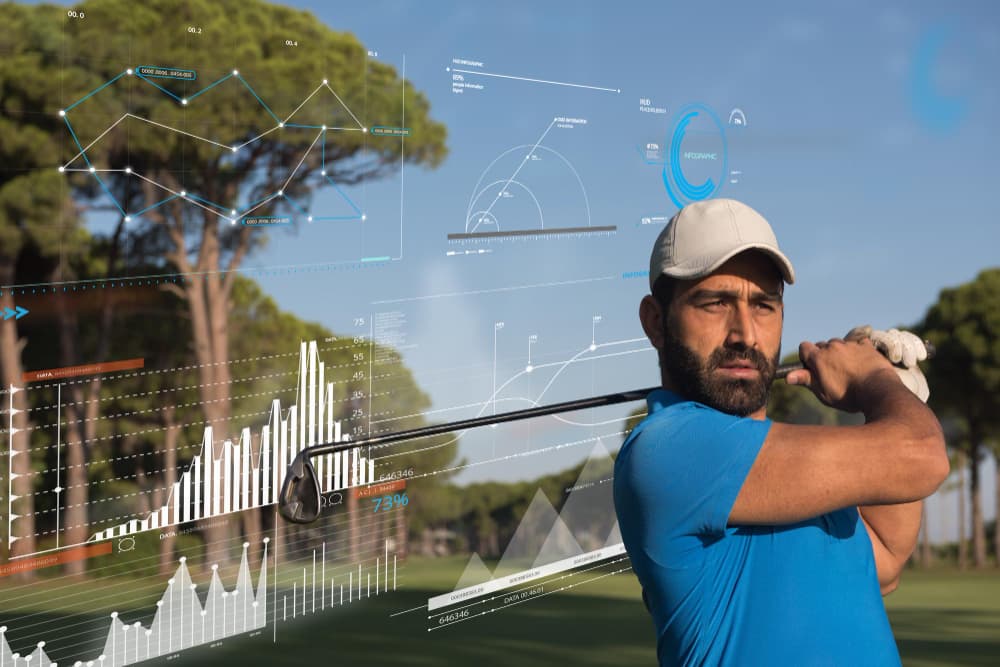
Wearable devices allow players to collect real-time information about their swings, movement patterns, heart rate, distance measurements, and overall performance. This data provides a clearer picture of strengths and weaknesses, enabling golfers to make targeted improvements.
Unlike traditional training methods that often depend on subjective feedback, wearable technology offers measurable results. Golfers can track progress over time and evaluate the effectiveness of specific practice routines or coaching programs.
As devices become more affordable and user-friendly, their popularity continues to rise among recreational players, amateurs, and professionals alike.
Improving Swing Analysis and Consistency
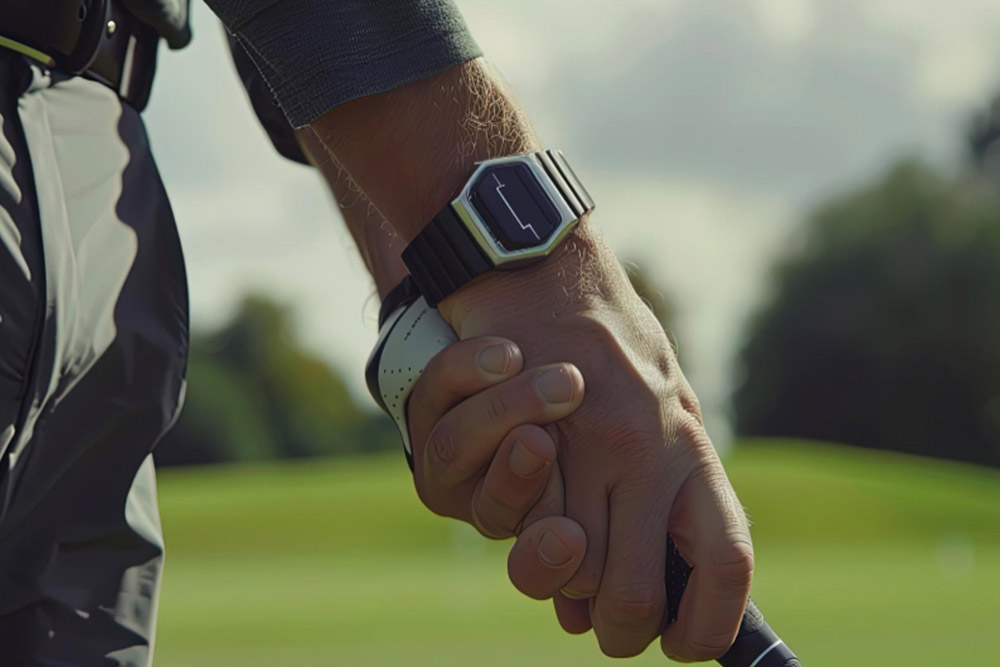
One of the most significant benefits of wearable technology is its ability to analyze golf swings in detail. Motion sensors worn on the wrist, glove, or body can capture key swing metrics that are difficult to observe with the naked eye.
These devices measure factors such as:
- Swing speed
- Club path
- Tempo
- Rotation
- Backswing length
- Impact position
- Follow-through mechanics
By reviewing this data, golfers can identify inconsistencies that may be affecting performance.
For example, a player struggling with slicing the ball may discover through wearable analysis that their club path is moving excessively outside-in during the downswing. With this knowledge, they can focus on specific drills to correct the issue.
Consistent feedback allows golfers to make adjustments more quickly and monitor improvements over time.
Enhancing Distance and Accuracy
Distance and accuracy are two of the most important factors in golf performance. Wearable technology helps players optimize both by providing detailed insights into swing mechanics and ball-striking efficiency.
Many wearable devices calculate swing speed and estimate potential distance gains. Golfers can experiment with different techniques and immediately see how adjustments affect performance metrics.
By understanding the relationship between swing mechanics and shot outcomes, players can make more informed decisions about their training programs.
In addition to distance improvements, wearables help golfers maintain accuracy by promoting repeatable swing patterns. Consistency is often more valuable than raw power, and wearable data helps players identify movements that contribute to reliable ball striking.
Over time, this combination of increased distance and improved accuracy can significantly lower scores.
Real-Time Course Management and GPS Features
Wearable technology has expanded beyond training and practice environments. Many devices now include advanced GPS capabilities that assist golfers during actual rounds.
Smart golf watches and GPS-enabled wearables provide accurate yardages to:
- Front of the green
- Center of the green
- Back of the green
- Hazards
- Bunkers
- Water features
- Layup areas
Having access to precise distance information helps golfers make smarter club selections and strategic decisions throughout a round.
Instead of relying on visual estimates, players can use real-time data to improve course management and reduce costly mistakes.
Better decision-making often leads to improved scoring and greater confidence on the course.
Monitoring Physical Fitness and Endurance
Golf may not appear physically demanding compared to some sports, but maintaining performance over 18 holes requires endurance, strength, and concentration.
Wearable fitness devices help golfers monitor important health and performance indicators such as:
- Heart rate
- Calories burned
- Walking distance
- Sleep quality
- Recovery levels
- Activity tracking
These insights allow players to better understand how physical fitness impacts golf performance.
For example, poor sleep quality may contribute to reduced concentration and slower reaction times during a round. By tracking recovery data, golfers can make lifestyle adjustments that positively influence performance.
Professional players increasingly use wearable technology to optimize fitness programs and maintain peak physical condition throughout the season.
Injury Prevention and Recovery
Injury prevention has become a major focus in modern golf training. Repetitive swing motions place stress on the lower back, shoulders, elbows, wrists, and hips.
Wearable technology can help identify movement patterns that increase injury risk. Some advanced devices monitor body mechanics and detect excessive strain during swings or practice sessions.
By identifying potential issues early, golfers can modify their techniques or training loads before injuries develop.
Wearables also assist during recovery by tracking physical activity and monitoring rehabilitation progress. Coaches, trainers, and medical professionals can use this information to create personalized recovery programs.
Reducing injury risk allows golfers to practice more consistently and maintain long-term performance improvements.
Supporting Professional Coaching Programs
Wearable technology does not replace golf coaches, but it significantly enhances the coaching process.
Instructors now have access to detailed performance data that helps them diagnose issues more accurately. Rather than relying solely on observation, coaches can use objective metrics to support their recommendations.
This data-driven approach allows lessons to become more precise and effective.
Students also benefit because they can continue collecting data between lessons. Coaches can review performance remotely and provide ongoing guidance based on measurable results.
The combination of professional expertise and wearable technology creates a powerful learning environment that accelerates player development.
The Role of Artificial Intelligence in Wearable Devices
Artificial intelligence is increasingly integrated into wearable golf technology. AI-powered systems analyze collected data and generate personalized recommendations for improvement.
Rather than simply displaying numbers, modern devices can identify trends, highlight weaknesses, and suggest corrective actions.
For example, an AI-enabled wearable might detect that a golfer consistently loses clubhead speed late in rounds and recommend fitness exercises to improve endurance.
These intelligent insights make wearable technology more valuable and easier for golfers to use effectively.
As AI capabilities continue to advance, wearable devices will become even more powerful coaching and performance tools.
The Future of Wearable Technology in Golf
The future of wearable technology in golf looks extremely promising. Emerging innovations are expected to provide even deeper insights into player performance and physical condition.
Future devices may include:
- Real-time biomechanical analysis
- Augmented reality training assistance
- Advanced injury prediction systems
- Personalized AI coaching
- Enhanced motion tracking capabilities
- Integrated virtual coaching experiences
As technology becomes smaller, smarter, and more affordable, wearable devices will likely become standard equipment for golfers at every level.
The integration of multiple technologies into a single device will further simplify performance tracking and improvement.
Conclusion
Wearable technology is transforming the way golfers train, compete, and improve their performance. By providing detailed insights into swing mechanics, fitness levels, course management, and injury prevention, these devices help players make smarter decisions and achieve measurable progress.
Whether used by beginners seeking consistency or professionals pursuing competitive advantages, wearable technology offers valuable tools for performance enhancement. As advancements in artificial intelligence and sensor technology continue to accelerate, the role of wearable devices in golf will only become more significant.
For golfers looking to gain a deeper understanding of their game and unlock new levels of performance, wearable technology has become one of the most powerful resources available in the modern era of golf.